














Packaging regulations globally are tightening fast, particularly in the EU, UK, and California. POLLAST!C is designed to meet them. This article sets out exactly how, market by market, regulation by regulation, with the certifications and test data behind every claim.
Note: This information is relevant to eCommerce and apparel packaging formats like poly mailers, poly bags, garment bags and magazine wrap.
EU Packaging and Packaging Waste Regulation (PPWR)
Regulation (EU) 2025/40, the PPWR, is the most comprehensive packaging reform the EU has introduced. It applies to all packaging placed on the EU market, regardless of where it is made.
PFAS Restrictions (Article 5)
Article 5 restricts intentionally added PFAS in food-contact packaging from 2030. POLLAST!C does not contain intentionally added PFAS and our existing SGS test data shows levels are well within acceptable limits.When PPWR Article 5 test methods are published (expected 2027-2028), we will ensure POLLLAST!C is tested against the methods specified.
Recyclability (Article 6)
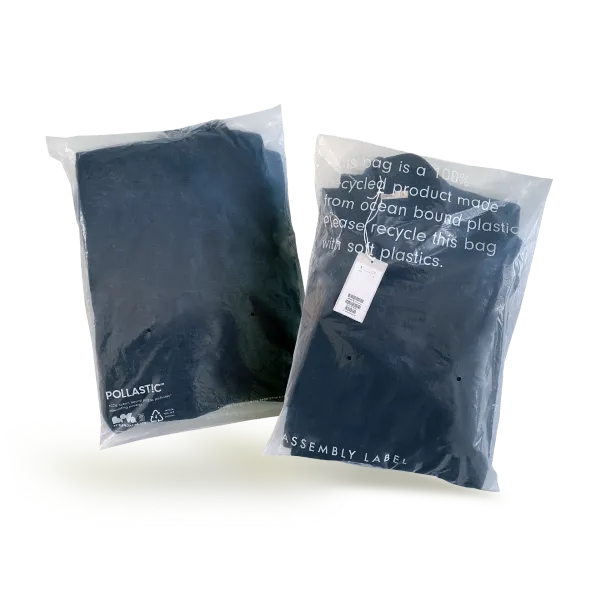
Under the PPWR, all packaging must be recyclable by 2030, with graded requirements phased in from 2028. POLLAST!C flexible packaging (courier mailers, bags and pouches) is made from at least 80% recycled LDPE, a material that is technically recyclable in many EU member states.
POLLAST!C has been assessed using the RecyClass online recyclability tool and achieves an A or B recyclability grade (available grades are A-E). RecyClass is the recognised EU recyclability assessment body.
Recycled Content Targets (Article 7)
The PPWR sets mandatory minimum recycled content targets for plastic packaging. POLLAST!C is made from at least 80% recycled content, significantly exceeding the PPWR's targets. Recycled content is verified by the Global Recycled Standard (GRS) certification and Ocean Bound Plastic (OBP) certification certification. Both are third-party audited.
Labelling (Articles 12 and 13)
The PPWR requires standardised labelling on all packaging from 2028, including recycling sortation labels and recycled content indicators. We are monitoring the development of delegated acts that will specify exact label formats, and will update our POLLAST!C packaging and supporting documentation accordingly.
United Kingdom: Plastic Packaging Tax and pEPR
Plastic Packaging Tax (PPT)
The UK Plastic Packaging Tax applies to plastic packaging manufactured in or imported into the UK that contains less than 30% recycled plastic content. The current rate is £228.82 per tonne (from April 2026).POLLAST!C contains at least 80% recycled content, well above the 30% threshold. UK-bound POLLAST!C packaging is therefore exempt from PPT.
Producer Responsibility (pEPR)
The UK's extended producer responsibility scheme requires brands that place packaging on the UK market to register, report and pay fees based on the packaging they use. Note, this obligation sits with the brand (our customer), not with BPCo. as the packaging’s manufacturer.
California: SB 54, SB 343 and AB 1201
SB 54: Extended Producer Responsibility
California's SB 54 requires all single-use packaging sold in California to be recyclable or compostable by 2032, with interim milestones. Brands selling into California are required to register with CalRecycle and report on their packaging. The EPR obligation is on the brand placing packaging on the California market.
POLLAST!C's high recycled content supports our customers' source reduction narratives under SB 54, though recycled content alone does not satisfy SB 54's recyclability requirements. POLLAST!C packaging is not currently classified as ‘recyclable’ under SB 54, however we anticipate that by 2032 soft plastics recycling systems will be more accessible in California and, as a mono-material POLLAST!C will by then be widely ‘recyclable’.
SB 343: Recyclability Labelling
SB 343 restricts use of the chasing-arrows recycling symbol and any wording implying recyclability on packaging unless the material meets California's stringent recyclability standards. The regulation was due to take effect from October 2026, but a federal court injunction blocked its enforcement for the duration of the ongoing lawsuit.We are monitoring the litigation closely. Until the injunction is lifted and a final compliance pathway is confirmed, we recommend customers exercise caution in making unqualified recyclability claims on packaging destined for California.
On-Pack Claims: What You'll See, and What You Won't
Packaging regulations in the EU, UK and California are converging on a common principle: sustainability claims must be specific, substantiated and verifiable. Broad claims like "eco-friendly", "sustainable" or "green" without supporting evidence are increasingly restricted or prohibited.
The EU Green Claims Directive (currently being finalised) will require that environmental claims be backed by life cycle assessment data or recognised certification, and pre-approved before use. California's consumer protection framework similarly restricts unsubstantiated environmental claims.
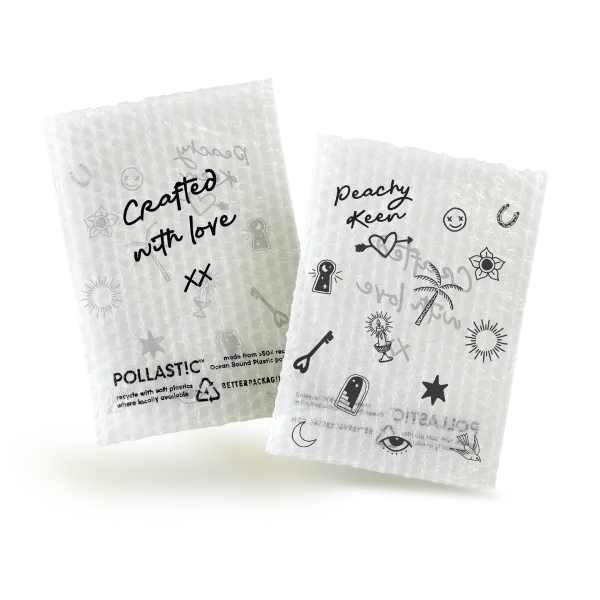
POLLAST!C packaging does not carry broad, unsubstantiated claims. What you will see on pack is:
● Specific recycled content percentage (e.g. "Made from 95% recycled plastic")
● Reference to Global Recycled Standard (GRS) certification
● Reference to Ocean Bound Plastic (OBP) certification, where applicable
● Specific source material description (e.g. "ocean-bound plastic" or "post-consumer recycled")
What you will not see is language like "eco-friendly", "sustainable", "saves the planet" or similar, because these claims cannot be substantiated at the product level without full life cycle assessment data, and because we believe honest, specific claims are better for brands, better for consumers, and more durable as regulations tighten.
Frequently Asked Questions
Does POLLAST!C meet EU PPWR recycled content requirements?
Yes. POLLAST!C contains 80-100% Post Consumer Recycled plastic content, which exceeds the PPWR's mandatory minimum recycled content targets for flexible plastic packaging. Recycled content is verified by GRS and OBP third-party certification.
Is POLLAST!C packaging exempt from the UK Plastic Packaging Tax?
Yes. The UK PPT applies only to packaging with less than 30% recycled content. POLLAST!C's recycled content of 80-100% places it well above the threshold. BPCo. can provide supporting documentation for customers evidencing this exemption.
Does POLLAST!C help our brand meet California SB 54 requirements?
POLLAST!C’s high recycled content supports source reduction narratives, but SB 54 compliance for brands depends primarily on end-of-life recyclability, not recycled content. Soft plastics are not yet widely classified as recyclable under SB 54’s current framework, but the regulation’s 2032 deadline assumes significant infrastructure growth. As a mono-material rLDPE product, POLLAST!C is well positioned to meet the recyclability standard as that infrastructure develops.
Can we label POLLAST!C packaging as "recyclable" in California?
No, we would not recommend it. SB 343 restricts recyclability labelling in California, but enforcement has been blocked by a federal court injunction since July 2026. The legal situation is ongoing. We recommend customers seek legal advice before making unqualified recyclability claims on California-destined packaging, and we will update our guidance when the injunction is resolved.
What certifications back the recycled content claims on POLLAST!C?
POLLAST!C recycled content is certified under the Global Recycled Standard (GRS), a globally recognised third-party certification for recycled materials. Ocean-bound plastic content is additionally verified under Ocean Bound Plastic (OBP) certification. Both certifications involve independent audits of the supply chain.
What sustainability claims appear on POLLAST!C packaging, and are they compliant with the EU Green Claims Directive?
POLLAST!C packaging carries specific, substantiated claims: recycled content percentage, GRS certification, OBP certification and source material description. We do not use broad claims like "eco-friendly" or "sustainable". This approach is consistent with the substantiation and specificity requirements anticipated under the EU Green Claims Directive and analogous standards in the UK and California.
This article reflects regulations as at October 2026. Regulatory timelines and requirements are subject to change. Nothing in this article constitutes legal advice. Brands should seek independent legal and compliance advice for their specific circumstances.
EU
- PPWR
- Regulation (EC) No 1935/2004 (food contact)
- Regulation (EU) No 10/2011 (plastic food contact)
- RecyClass recyclability tool
- EU Green Claims Directive (proposal)
UK
California
Certifications
- Global Recycled Standard (GRS)
- Ocean Bound Plastic (OBP) certification / Zero Plastic Ocean